
Smoke from Canadian and Minnesota wildfires drives hazardous air across the US Midwest and Northeast
Narrative Snapshot
Across outlets, there is broad alignment on scale and risk. Canadian and Minnesota fires are producing smoke that has spread over much of the northern United States, with millions under air quality alerts and authorities urging people to limit outdoor activity. Canadian and US sources alike describe this as a cross-border public health episode, with the Toronto Star, the Guardian, Clarin, and NHK all emphasizing the breadth of the alerts from the Upper Midwest through the Northeast and the guidance to stay indoors in major cities, including New York.
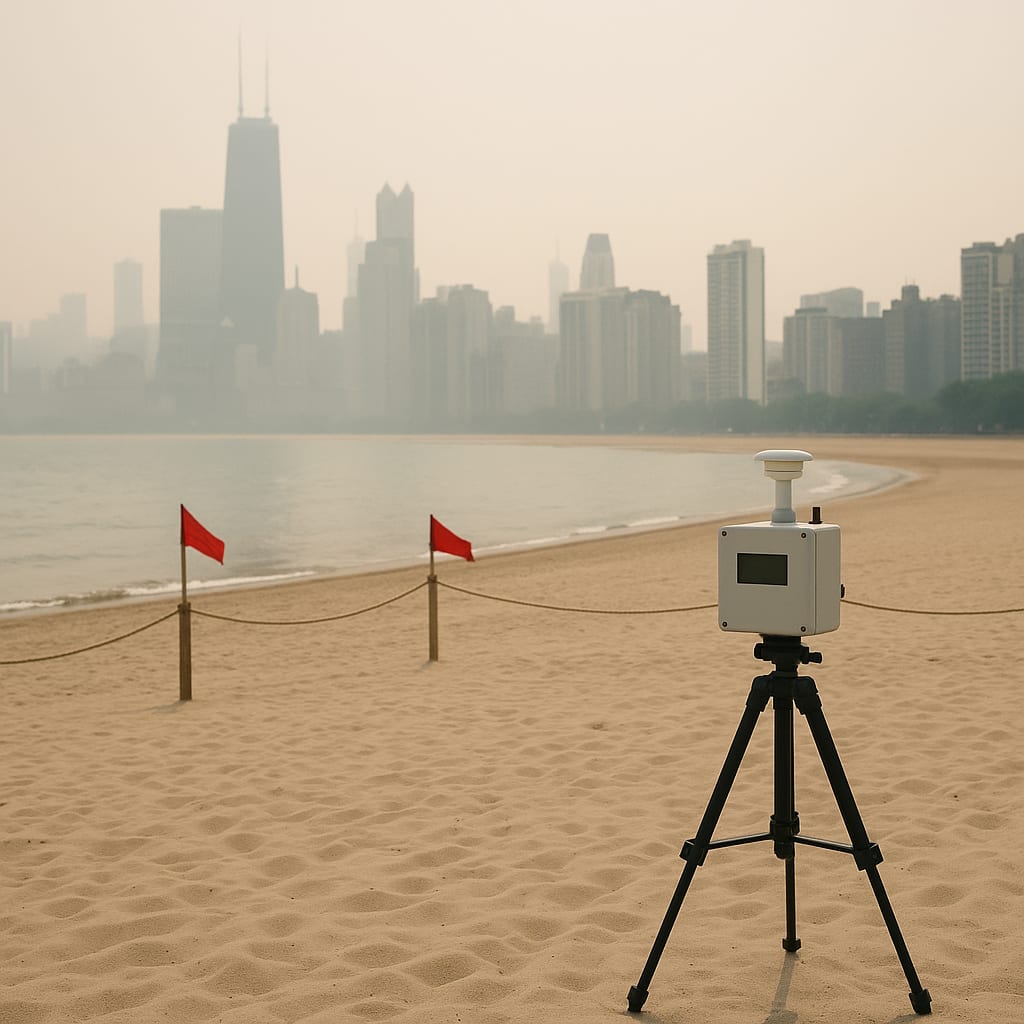
What differs is emphasis and framing. The New York Times foregrounds meteorology, tying the smoke transport to a summer heat dome pushing the plume east. Sky News centers on on-the-ground fire behavior and displacement, noting thousands of evacuations across more than a million acres of wilderness. France 24 and the Bangkok Post translate these dynamics into city-level disruption, highlighting Chicago’s beach closures and New York’s skyline obscured by thick haze, while TASS quantifies New York’s immediate conditions by noting visibility dropping to a few hundred meters.
Reporting also diverges on the quantification of the fire complex. BBC News and Serbia’s Politika cite more than 800 wildfires burning across Canada, reflecting a nationwide tally. The Guardian references hundreds of active fires, drawing on satellite-based tracking for a subset of provinces. US-centric pieces from the New York Times and the Toronto Star add Minnesota fires as material contributors to the smoke, underscoring that the plume is not solely Canadian in origin.
What Happened
Wildfires burning across Canada and in Minnesota sent dense smoke over large swaths of the US Midwest and Northeast in mid-July. The New York Times attributed the eastward transport to a heat dome intensifying temperatures and steering the plume. BBC News and Politika reported more than 800 fires active across Canada, while the Guardian and the Toronto Star noted concurrent fires in parts of Minnesota. Air quality alerts extended to more than 20 US states from Minnesota to New York, with “hazardous” conditions reported in parts of Michigan and Minnesota. Sky News said thousands were ordered to evacuate as blazes spread across over a million acres of wilderness. As the plume thickened, France 24 and the Bangkok Post reported Chicago beach closures and New York’s skyline shrouded in haze, while TASS cited visibility in New York dropping to a few hundred meters. NHK reported advisories in New York to avoid outdoor activity, and the New York Times said conditions could persist into Friday.
Why It Matters
The episode underscores the transboundary nature of wildfire smoke and the dependence of urban air quality on fire behavior and atmospheric dynamics far beyond city limits. With alerts spanning more than 20 US states and major population centers like New York and Chicago affected, the response required synchronized public health messaging, operational closures, and real-time smoke monitoring across jurisdictions, as reflected in guidance to limit outdoor activities and targeted closures such as Chicago’s beaches. The New York Times’ focus on the heat dome highlights how persistent high-pressure systems can amplify and transport hazards over long distances, complicating local authorities’ control over risk. Satellite-informed assessments referenced by the Guardian point to the growing role of remote sensing in cross-border situational awareness. For decision-makers, the scale reported by BBC and Politika and the displacement noted by Sky News translate into concurrent demands on firefighting, evacuation support, and air quality management that exceed a single province or state’s remit.
Diverging Narratives
Coverage coheres on the immediate risks but separates along lines of cause, scope, and salient impacts. For causes and drivers, the New York Times anchors the event in atmospheric dynamics—specifically a heat dome—whereas Sky News’ lens is operational, prioritizing fire spread and evacuations. On scope, BBC and Politika emphasize a nationwide Canadian fire burden exceeding 800 active blazes, while the Guardian references hundreds of active fires via satellite tallies, and US pieces add Minnesota as a significant smoke source. This leaves readers with parallel scales—continental for Canada versus regional for particular provinces and US states—each accurate to its frame.
Severity and salience diverge by locality. BBC highlights “hazardous” air in parts of Michigan and Minnesota, while the Guardian and Clarin stress widespread but varying “unhealthy” conditions across more than 20 states. Urban-focused reports from France 24, the Bangkok Post, and TASS concentrate on New York’s obscured skyline, reduced visibility, and Chicago’s beach closures—concrete signals of disruption that differ from evacuation-driven narratives near the fires. Uncertainty persists over duration and trajectory; the New York Times notes conditions could linger into Friday, but outcomes depend on evolving weather and fire activity that the sources do not resolve.
What Happens Next
Key decisions hinge on public health measures, urban operations, and fire management. With alerts spanning more than 20 states and advisories in New York to limit outdoor activity, authorities will decide whether to sustain or lift guidance as the New York Times’ heat-dome-driven flow shifts; analysts should watch changes in wind patterns and agency alert updates. City-level operations, such as Chicago’s closure of beaches reported by France 24 and the Bangkok Post, may extend or ease with localized air quality readings and visibility, which TASS showed can deteriorate quickly. On the fire lines, Sky News’ reporting of thousands of evacuations across a million-plus acres suggests that containment progress or additional spread will determine further evacuation orders and resource surges. The scale cited by BBC and Politika indicates that national and provincial capacity will remain a constraint; satellite-informed tracking referenced by the Guardian will be a leading indicator of plume evolution and downstream urban impacts.