
U.S. partially lifts curbs on Anthropic’s Mythos 5 for ‘trusted’ domestic users
Narrative Snapshot
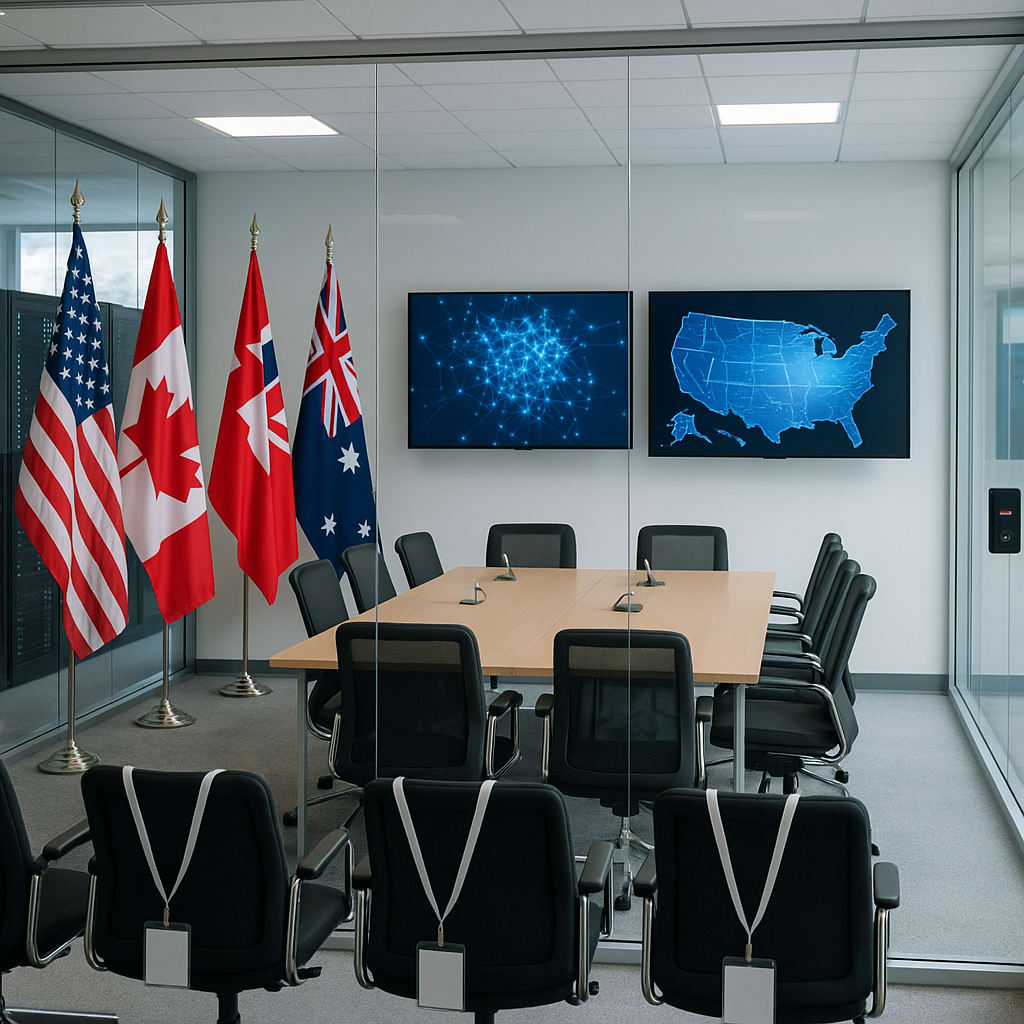
- Broad consensus: this is a partial reversal that restores access only to selected U.S.-based organizations on national-security terms (NYT; CBC; The Hindu; DW; Le Monde; Japan Times; SCMP, Jun 27).
- Scale and opacity diverge: SCMP (Jun 27) cites an unnamed source saying “more than 100” organizations, including many Fortune 500 firms, will regain access; DW stresses a “small group” with no public list and unclear selection criteria.
- Risk framing varies: European and French coverage foreground abrupt security-driven shutdowns and “failles” flagged by the U.S. Commerce Department (Le Monde; DW). North American outlets emphasize de-escalation of a policy clash and a controlled reopening (NYT; CBC). Regional context in Asia ties the move to earlier restrictions on foreign nationals (Japan Times) and Five Eyes cyber warnings (Al Jazeera; RT, Jun 22).
- Strategic spillovers: SCMP opinion (Jun 23) argues earlier restrictions pushed multinational finance users in Hong Kong toward Chinese AI alternatives, underscoring competitive consequences of U.S. access controls.
What Happened
On June 12, the U.S. Commerce Department abruptly directed Anthropic to cut access to its frontier models, including Mythos 5 and another top-tier system, citing national-security concerns after the detection of vulnerabilities (Le Monde). Two weeks later, the Trump administration authorized a limited reopening: Anthropic can provide Mythos 5 to a set of “trusted” U.S. organizations, partially reversing the prior order (NYT; CBC; The Hindu; DW). The government has not publicly named recipients; DW notes the selection remains opaque. SCMP (Jun 27) reports, citing an unnamed source, that more than 100 companies and institutions—many in the Fortune 500—are included. Japan Times highlights that the earlier confrontation involved barring access to foreign nationals. The policy turn follows a Five Eyes warning that new frontier models are rapidly heightening offensive cyber capabilities (Al Jazeera; RT, Jun 22).
Why It Matters
The move illustrates a shift toward a government-brokered “trusted partner” gate for frontier AI within the United States, applied through export-control-style directives and domestic access constraints (Le Monde; DW; RT, Jun 27). It aligns with a Five Eyes posture that treats frontier AI as a near-term cyber risk, not a distant threat, potentially normalizing tighter coordination between intelligence assessments and commercial model deployment (Al Jazeera; RT, Jun 22). Internationally, restrictions that exclude foreign users and offshore teams—flagged in Japan Times and SCMP—create extraterritorial frictions for multinationals and may accelerate substitution toward non-U.S. providers, as SCMP’s opinion piece suggests for Hong Kong finance. The reported parallel step by OpenAI to stagger a flagship release at Washington’s request (RT, Jun 27) signals a precedent: government shaping the sequencing and scope of frontier AI rollouts across firms, with implications for market structure, global adoption, and allied policy alignment.
Diverging Narratives
- Scale and inclusivity: SCMP (Jun 27) portrays a broad reopening—100+ organizations, including many Fortune 500—while DW highlights a narrow, opaque cohort. The absence of an official list sustains uncertainty over the true breadth of access (DW).
- Nature of the security trigger: Le Monde anchors the June 12 cutoff in detected “failles” and Commerce’s national-security rationale. Other outlets focus less on technical specifics and more on the policy mechanics and corporate impact (NYT; CBC; The Hindu).
- Geographic reach: Japan Times emphasizes the earlier bar on foreign nationals as central to the dispute; coverage focused on U.S. recipients can obscure ongoing limitations for global teams of U.S. multinationals. SCMP’s opinion links those limits to competitive openings for Chinese AI in Hong Kong finance (SCMP, Jun 23).
- Policy paradigm: Al Jazeera and RT (Jun 22) foreground Five Eyes’ warning that offensive cyber capabilities are being transformed on a “months” timescale, reinforcing restrictive measures. NYT frames the new authorization as de-escalation of a clash with industry. RT (Jun 27) connects Anthropic’s earlier suspension to OpenAI’s staggered rollout, casting a pattern of government-directed pacing.
What Happens Next
- Scope and criteria of “trusted” access: Watch for Commerce guidance or disclosures by recipient firms clarifying how wide the aperture is. SCMP’s “100+” claim (Jun 27) versus DW’s “small group” suggests a live question. A published framework would signal institutionalization; continued opacity implies case-by-case control.
- Foreign access and cross-border operations: Japan Times notes earlier prohibitions on foreign nationals. Indicators include revised terms of use, clarifications for U.S. firms’ overseas teams, or explicit export-control updates. Continued limits would sustain fragmentation of global deployments (Japan Times; Le Monde).
- Cross-firm precedent: RT (Jun 27) reports OpenAI’s limited preview at Washington’s request. If other labs mirror this controlled rollout model, it would entrench government-shaped sequencing for frontier releases.
- Security signaling: Additional Five Eyes advisories or documented misuse cases would likely recalibrate access decisions (Al Jazeera; RT, Jun 22). Conversely, evidence of effective risk controls in the reopened cohort could support gradual expansion (NYT; CBC; DW).