
Japan and South Korea Strengthen Ties Amid Regional Tensions
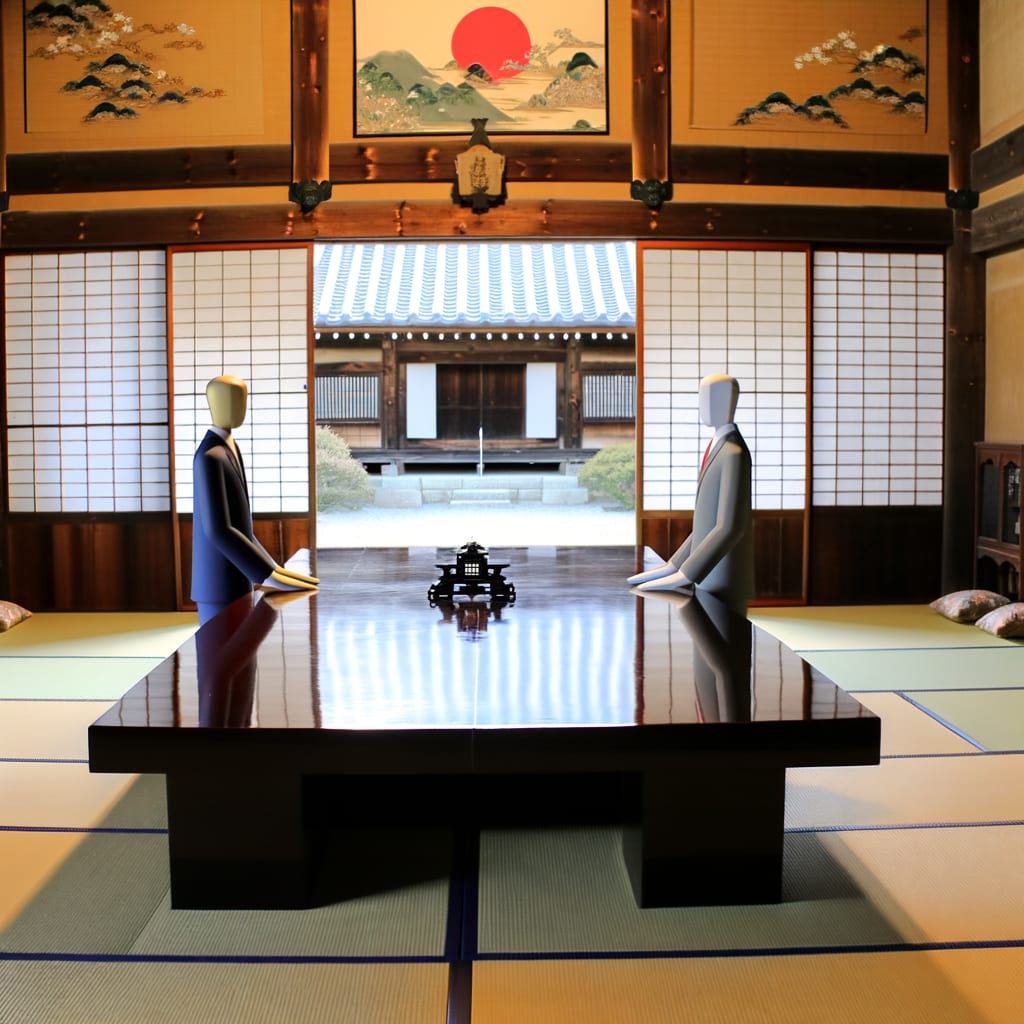
Japan and South Korea are pressing for enhanced bilateral ties, exemplified by their recent summit in Nara, Japan, amid escalating geopolitical risks, including the increasingly volatile relations between Tokyo and Beijing and the tension between the two Koreas.
Background and Context
The summit between Japanese Prime Minister Sanae Takaichi and South Korean President Lee Jae Myung, as reported by The Diplomat and Japan Times, comes at a critical period when the international order is becoming more unpredictable and less rule-bound. This meeting is viewed as a small but significant step to build trust and bring the two countries closer together despite their contrasting political ideologies.
The summit took place just a week after President Lee met with Chinese President Xi Jinping in Beijing, highlighting the increasing complexity of the strategic landscape in the region. Following the China-South Korea summit, the two countries signed US$44 million in new export deals, as reported by South China Morning Post.
Key Developments
During the Japanese and South Korean leaders' meeting, the leaders explored the possibility of broader regional cooperation, including China, while emphasizing the importance of closer bilateral ties. Takaichi, known for her emphasis on economic security, is expected to have focused on security challenges during the discussions.
The summit was marked by a display of cultural unity with Takaichi and Lee drumming up excitement with a jam session featuring popular K-pop songs, Dynamite
by BTS and Golden
from the Netflix series KPop Demon Hunters
, as reported by Japan Times and Corriere della Sera.
Inter-Korean Relations
Meanwhile, the hopes for improved ties between the two Koreas seem to have hit a roadblock, with Kim Yo Jong, the influential sister of North Korean leader Kim Jong Un, rebuffing overtures from Seoul, as reported by TASS, Al Jazeera English, and The Hindu. She issued a sharply worded warning to South Korea following reports of drone incursions from the South, which North Korea claims are hostile acts aimed at collecting military information.
Despite the hostile rhetoric from Pyongyang, Seoul remains committed to improving inter-Korean relations, with President Lee ordering a review to restore the 2018 military agreement aimed at reducing tensions.
Implications and Reactions
The deepening of Japan-South Korea ties comes at a time of increased great-power rivalry that is reshaping the regional order. Analysts, as cited by South China Morning Post and The Diplomat, noted that the summit exposed a growing strategic divergence between the two countries and their responses to regional volatility.
While Seoul is seeking Chinese mediation for freezing North Korea's nuclear programme, as reported by Al Jazeera English and Deutsche Welle, Tokyo and Seoul's strengthened ties are set against the backdrop of a widening diplomatic dispute between Japan and China.
Conclusion
In conclusion, the regional dynamics in Northeast Asia are becoming increasingly complex with the deepening tensions between Japan and China, the strained inter-Korean relations, and the fluctuating ties between Japan and South Korea. As the situation continues to evolve, the role of these middle powers in maintaining regional stability and security becomes ever more crucial.