
US-Israeli Strikes Ignite Tensions in the Gulf
The recent US-Israeli attacks on Iran have sparked a geopolitical crisis in the Gulf, with potential repercussions on regional stability and economic prosperity. As retaliatory strikes from Iran place Gulf monarchies on the brink, the sovereigns of the Arabian Peninsula face a difficult choice: continue appeasing Tehran or align more closely with the US and Israel, risking further strikes. Amid the escalating conflict, the European Union has pledged its support to Saudi Arabia, while US Senator Lindsey Graham met with Saudi leader Mohammed bin Salman to discuss the situation.
Unsettled Gulf Monarchies
The Gulf countries have reacted cautiously to the situation. While Saudi Arabia has been inching closer to supporting military action against Iran, it has also cautioned its Gulf allies against taking steps that might inflame tensions with Iran. The Gulf Cooperation Council has meanwhile called on Iran to immediately cease aggression against them and warned of a response if attacks persist.
Military Escalation and its Consequences
The US-Israeli strikes on Iran and Tehran's subsequent retaliation have escalated tensions in the region. The United Nations Secretary-General Antonio Guterres has condemned the military escalation, calling for an immediate cessation of hostilities and a return to the negotiating table.
However, US President Donald Trump has suggested that the military campaign against Iran could continue for up to a month. Iran has also indicated that its response to the US-Israeli attacks will continue with no set timeframe, declaring that everything American or Israeli has become a legitimate target for the Iranian armed forces.
Impact on Travel and Global Diplomacy
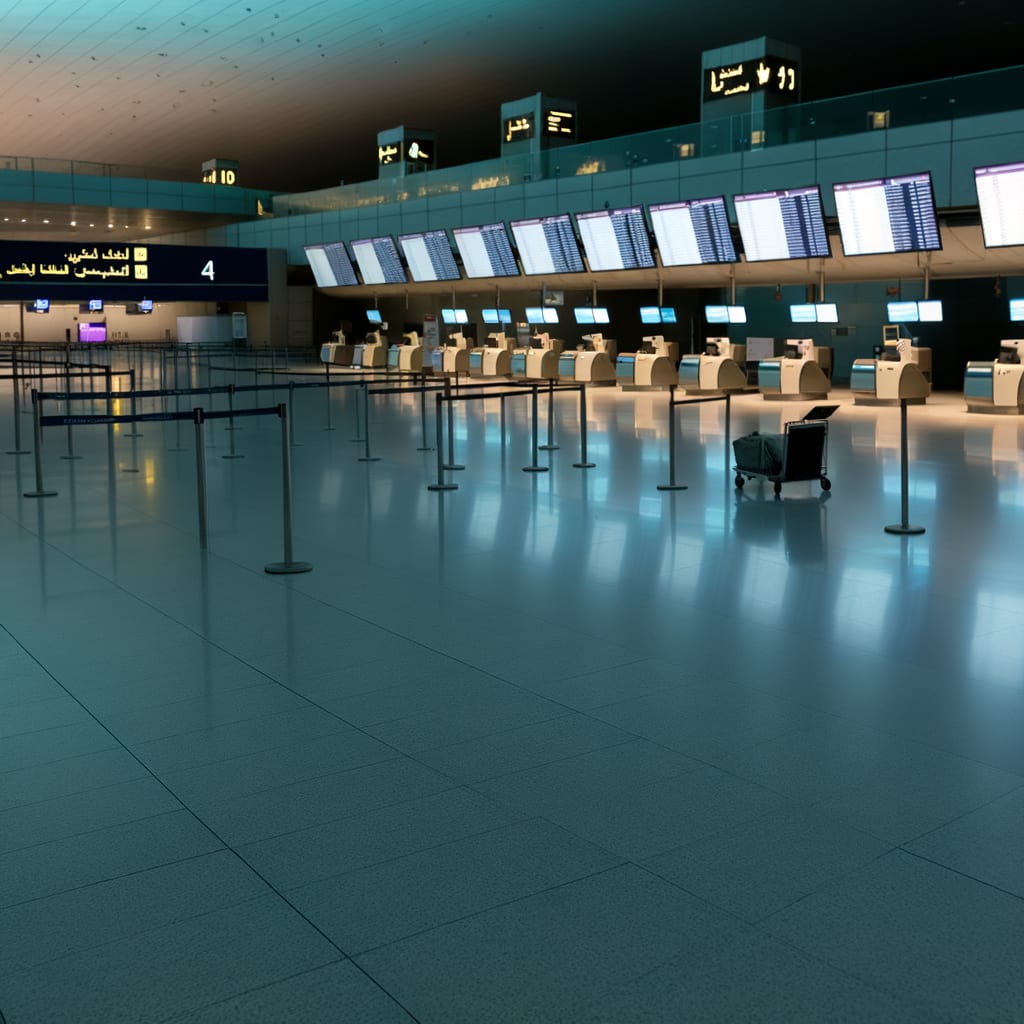
The escalating conflict has severely disrupted flights across the Middle East, with key transit hubs in Dubai, Abu Dhabi, and Doha closing and over a thousand flights by major Middle Eastern airlines cancelled. This has led to hundreds of thousands of travellers being stranded or diverted to other airports.
Meanwhile, Washington's Western allies have stressed their non-involvement in the US-Israeli attack on Iran and have cautiously refrained from making judgments about its legality. With the US amassing military force in the Middle East, US and Iranian representatives are once again meeting in Geneva to discuss Tehran's nuclear program, though hopes for a breakthrough are slim.
Conclusion
The situation in the Middle East remains volatile, with the Gulf States caught between a rock and a hard place. The ongoing conflict not only threatens regional stability but also poses a significant challenge to international diplomacy and travel. As the US and Iran continue their high-stakes negotiations, the world watches on with bated breath.