
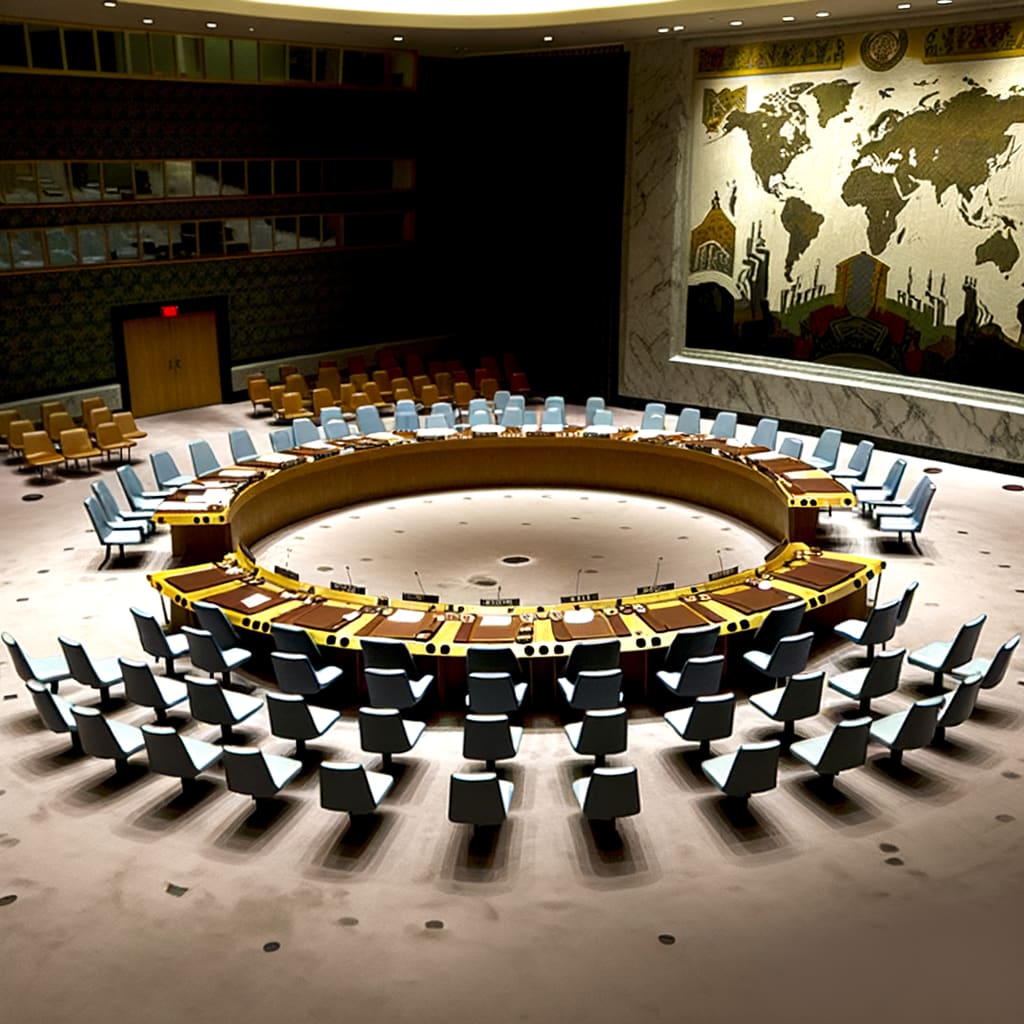
Russia Condemns US-Israeli Strikes on Iran, Urges UN Security Council's Intervention
Russia has vehemently condemned the recent attacks on Iran by the US and Israel, calling for an immediate halt to the strikes and an emergency United Nations Security Council meeting, according to multiple reports from TASS and Kyiv Independent. Russia's Foreign Minister Sergei Lavrov termed the attacks as an unprovoked armed attack
and emphasized the urgent need for diplomatic solutions, as reported by Middle East Eye and IRNA English.
Background and Context
Over the years, Russia and Iran have deepened their cooperation, with Tehran supplying drones and other military equipment used by Russian forces in the Ukraine conflict. The recent strikes on Iran are seen as a deliberate escalation fraught with extremely negative consequences for the broader region. The strikes have been condemned by a number of international bodies and analysts, who question their legality under international law.
Key Developments
Senior Russian lawmaker Leonid Slutsky and Foreign Minister Sergei Lavrov have both strongly condemned the US-Israeli aggression. According to TASS, Lavrov denounced the strikes during a phone call with his Iranian counterpart Abbas Araqchi. He also expressed Russia's readiness to contribute to a peaceful resolution based on international law.
Iranian Foreign Minister Araqchi plans to convene an emergency UN Security Council meeting, stressing the importance of decisive international action, especially by the UN Security Council. Iran is ready to engage with the US or respond to its threats, as per the country's parliament speaker Mohammad Bagher Ghalibaf.
Reactions and Implications
The strikes have been widely criticized, raising questions about their legality under international law. A legal expert quoted by Middle East Eye stated that the attacks breach the UN's founding charter and the rules governing legitimate self-defence.
United Nations Secretary-General Antonio Guterres condemned the military escalation, warning that a failure to de-escalate risks a wider regional conflict with grave consequences for civilians and regional stability. He urged all UN Member States to respect their obligations under international law, including the UN Charter.
In response to the attacks, a senior Iranian official declared that all American and Israeli targets are now within the scope of Iran's response. The official warned that there are no red lines in defending our country
and that attacks on civilians will be met in kind.
Current Status
The situation remains tense, with Iran's response to the joint US-Israeli attacks continuing with no set timeframe
. Meanwhile, countries like Japan are preparing for any risks associated with the strikes on Iran, with the Japanese Foreign Ministry reporting no injuries or fatalities among its nationals in Iran so far. Despite the escalating tensions, some analysts suggest that the weight of potentially catastrophic consequences could push both sides towards a strategic retreat, as reported by Middle East Eye.